

Cremation services offer a versatile and cost-effective alternative to traditional burials, providing families with various options to honor their loved ones. From traditional funeral services to direct cremation, each choice presents unique benefits tailored to individual preferences. It’s important to understand the financial, legal, and environmental considerations that make cremation a meaningful choice for end-of-life arrangements.
Understanding Cremation Services
Cremation has become an increasingly popular choice for end-of-life arrangements due to its flexibility and cost-effectiveness. Unlike traditional burials, cremation offers various service options that can be tailored to meet the needs and preferences of families.
These options include a traditional funeral service followed by cremation, a memorial service, or direct cremation. Each of these choices provides unique benefits and can be customized to honor the deceased in a meaningful way (source).
Types of Cremation Services
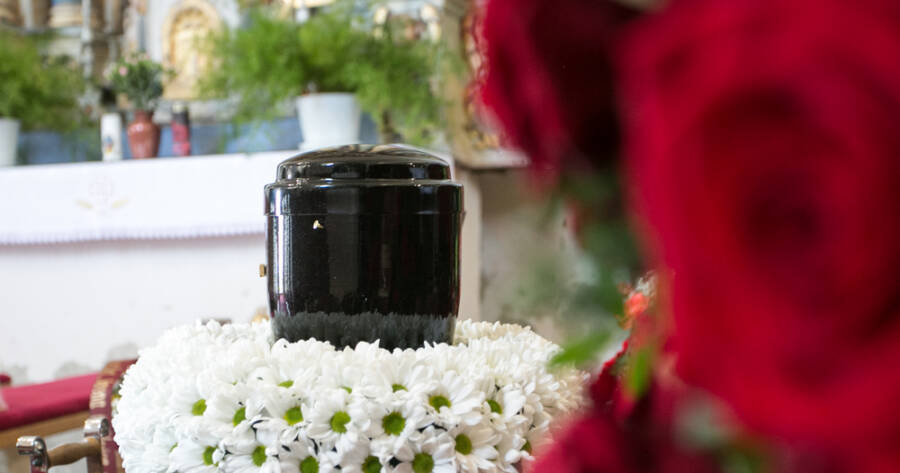
A traditional funeral service followed by cremation typically includes a visitation for public viewing and a funeral service, usually held within two to three days of the passing. This service can be conducted at a location that holds significance for the family, and the cremated remains can be buried, scattered, or returned to the family. On the other hand, a memorial service is conducted without the body present, with cremation occurring shortly after death and the service held later. An urn with the ashes may be present, and the final disposition of remains can include taking the urn home, burial, or scattering (source).
Direct cremation, also known as immediate or simple cremation, involves cremating the body and returning the remains to the family without any accompanying funeral, graveside, or memorial service. This option is often chosen for its simplicity and affordability, making it a practical choice for many families (source).
Cremation Costs and Financial Considerations
Cremation services are generally more affordable than traditional burials, with costs varying based on the type of service chosen. In New York City, for example, a dignified cremation funeral can be arranged for approximately $2,500 to $4,000, significantly reducing costs by eliminating the need for a burial plot, grave liner, or casket. Direct cremation is the most cost-effective option, with prices ranging from $495 to $900, depending on the provider. It is important to ensure that quoted prices include all necessary fees, as some providers may not include the crematory fee (source).
For families concerned about rising funeral costs, some cremation service providers offer affordable packages. For instance, Cremation Services of Central New York, Inc. offers cremation services starting at $950, which is significantly lower than other funeral homes in the area. Their package includes transportation from the place of death, arrangement conference, legal documentation, and a temporary container for ashes (source).
Legal and Environmental Considerations
Before proceeding with cremation, certain legal requirements must be met. The legal next of kin must sign a ‘Cremation Authorization Form,’ and a cremation permit must be issued. Additionally, a ‘Designation of Intention’ form must be signed to specify how the cremated remains will be handled. These steps ensure that the process is conducted legally and in accordance with the deceased’s wishes (source).
Environmental considerations are also important when choosing cremation. Green burial options, which minimize chemical intervention and use natural materials, are available in select cemeteries. These eco-friendly options are gaining popularity as they align with sustainable practices and reduce environmental impact (source).
Why You Should Learn More About Cremation Today
Understanding the various aspects of cremation services can help individuals and families make informed decisions during a challenging time. With options ranging from traditional services to direct cremation, and considerations for cost, legality, and environmental impact, cremation offers a flexible and meaningful way to honor loved ones. By exploring these options, families can ensure that their final wishes are respected and that they are making choices that align with their values and financial circumstances.