

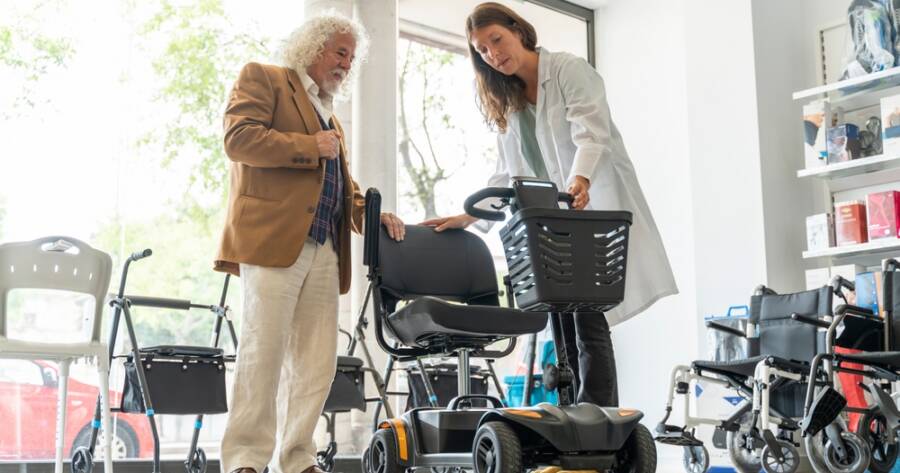
Navigating Medicare coverage for mobility scooters can feel complex, but understanding the basics makes a big difference. From eligibility requirements to out-of-pocket costs, knowing how coverage works helps individuals plan ahead. With the right information, seniors and caregivers can make informed decisions that support mobility, independence, and overall quality of life.
Understanding Medicare Coverage for Mobility Scooters
Mobility scooters are essential for many seniors and individuals with disabilities, providing them with the freedom to move independently. Medicare plays a significant role in making these devices accessible by covering a portion of the costs under specific conditions.
Medicare Part B includes mobility scooters as part of its Durable Medical Equipment (DME) benefits, provided they are deemed medically necessary (source). It’s important to understand the intricacies of Medicare coverage for mobility scooters, including eligibility criteria, types of scooters covered, and the financial responsibilities involved.
Eligibility and Medical Necessity
To qualify for Medicare coverage of a mobility scooter, a beneficiary must meet specific eligibility criteria. A healthcare provider must confirm that the scooter is medically necessary, which typically involves a face-to-face examination.
The provider must document that the individual cannot walk safely even with the aid of a cane, walker, or crutches, and that the scooter is required for daily activities within the home (source). A written prescription and supporting medical records are necessary to substantiate the claim.
Types of Medicare-Approved Mobility Scooters
Medicare covers various types of mobility scooters, each designed to meet different needs. These include three-wheel scooters for maneuverability in tight indoor spaces, four-wheel scooters for enhanced stability outdoors, heavy-duty scooters for larger individuals or rugged environments, and foldable scooters for easy transport and travel (source). Each type must meet Medicare’s safety and durability standards to qualify for coverage.
Financial Responsibilities and Coverage Limitations
While Medicare covers a significant portion of the cost of mobility scooters, beneficiaries are still responsible for certain expenses. After meeting the annual Part B deductible, they must pay 20% coinsurance of the Medicare-approved amount (source).
Additional costs may include delivery, setup, and non-covered accessories, especially if the supplier does not accept Medicare assignment. It’s crucial for beneficiaries to ensure that their suppliers are enrolled in Medicare to avoid unexpected costs.
Process for Obtaining a Mobility Scooter Through Medicare
The process of obtaining a Medicare-covered mobility scooter involves several steps. First, a medical evaluation is required to establish the necessity of the scooter. The healthcare provider must then submit the necessary documentation and paperwork. Finally, the scooter must be purchased from a Medicare-approved supplier to ensure compliance with Medicare guidelines and coverage eligibility (source).
Challenges and Alternatives
Despite the coverage provided by Medicare, beneficiaries may face challenges such as denials due to incomplete forms or limited supplier networks. For those not covered by Medicare, alternatives include Medicaid programs, veteran benefits, and private insurance or financing options (source). Understanding these options can help individuals find the most suitable and affordable solution for their mobility needs.
Why You Should Learn More About Medicare Coverage for Mobility Scooters Today
Understanding Medicare coverage for mobility scooters is crucial for anyone who may need these devices now or in the future. With the right information, beneficiaries can navigate the complexities of Medicare, ensuring they receive the necessary support to maintain their independence and quality of life. By staying informed about eligibility criteria, types of scooters covered, and financial responsibilities, individuals can make well-informed decisions about their mobility needs and explore alternative options if necessary.