

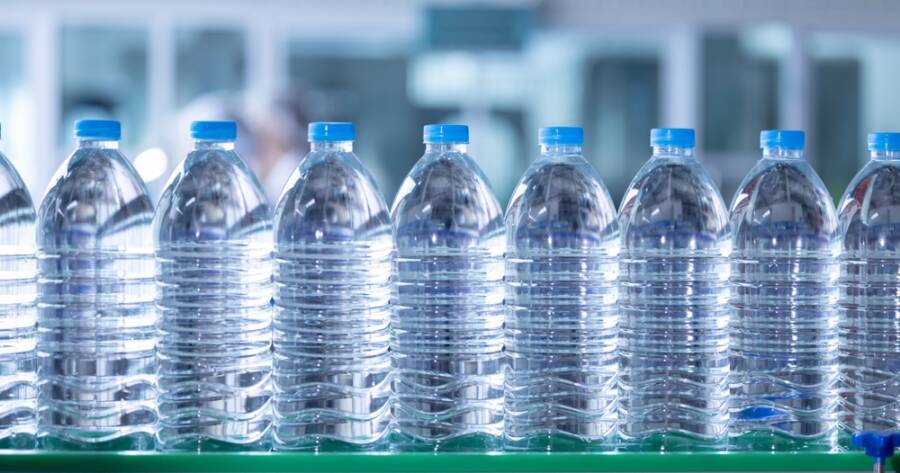
Bottled water, often seen as a pristine alternative to tap water, faces scrutiny over its quality and safety. Concerns about microplastic contamination and arsenic levels challenge its perceived purity. As consumers navigate the issues, understanding the environmental and health implications of different brands becomes essential for making informed and responsible choices.
Understanding Bottled Water Quality
Bottled water is often perceived as a pure and safe alternative to tap water, but recent studies have raised concerns about its quality. One major issue is the presence of microplastic particles, which are nearly twice as prevalent in bottled water compared to tap water.
This contamination is primarily due to the bottling process and packaging materials, challenging the notion of bottled water’s superior purity (source). Additionally, some bottled water brands have been found to contain arsenic levels that exceed safe limits, posing potential health risks over time (source).
Bottled Water Brands to Avoid
Several popular bottled water brands have been identified as less desirable due to various factors. Aquafina and Dasani, for instance, are sourced from municipal water systems and are essentially purified tap water. Aquafina is often criticized for its plasticky taste and non-recycled packaging, while Dasani, despite using 100% recycled bottles, still ranks low due to its origins (source). Other brands like Gatorade Water, Essentia, and Smartwater also rely on purified water, which affects their ranking despite enhancements like electrolytes and ionization.
Moreover, Consumer Reports found that brands such as Whole Foods’ Starkey, Keurig Dr Pepper’s Peñafiel, and Crystal Geyser Alpine Spring Water have detectable arsenic levels, with some exceeding the federal standard of 10 parts per billion (ppb) (source). This highlights the need for consumers to be cautious about the brands they choose.
Environmental and Health Considerations
The environmental impact of bottled water is another critical factor to consider. Many brands use plastic packaging, which contributes to pollution and poses health risks due to microplastic contamination. Glass bottles are considered a better option as they are inert and reusable, minimizing contamination risks (source). Brands like Voss and The Mountain Valley, which use glass or sustainable packaging, are ranked higher for their eco-friendly practices (source).
Health-wise, the presence of microplastics in bottled water can carry toxins such as industrial chemicals and pesticides, potentially leading to chronic diseases and hormonal imbalances. The full extent of these health impacts is still under investigation, but it underscores the importance of choosing bottled water brands that prioritize safety and sustainability (source).
Why You Should Learn More About Bottled Water Brands Today
Understanding the quality and safety of bottled water is crucial for making informed choices. With concerns about microplastic contamination and arsenic levels, consumers need to be vigilant about the brands they select. Opting for brands with eco-friendly packaging and natural spring sources can mitigate environmental and health risks.
As the bottled water industry continues to grow, increased scrutiny and transparency are essential to ensure consumer safety and environmental sustainability. By staying informed, consumers can make choices that align with their health and environmental values.