

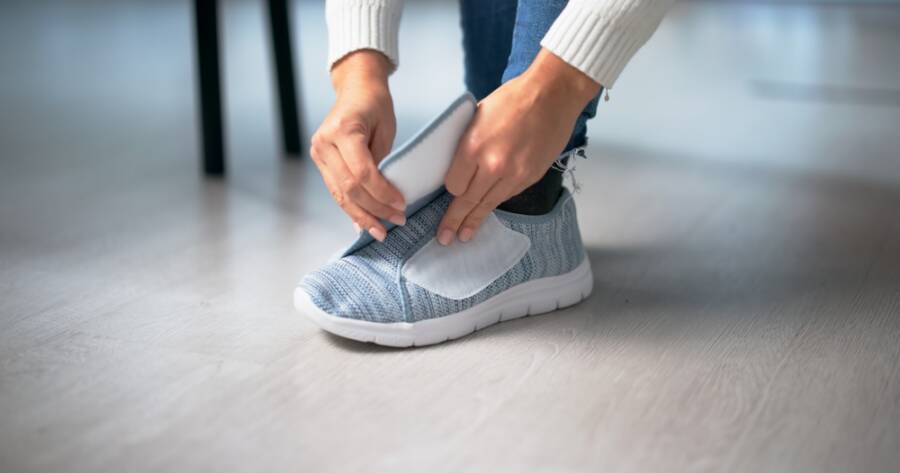
For people with diabetes, choosing the right footwear can play an important role in protecting foot health. Diabetic shoes offer specialized features designed to reduce pressure, prevent irritation, and accommodate sensitive or vulnerable feet. Understanding how extra depth, protective linings, supportive soles, and custom inserts work can help individuals make more informed footwear decisions.
Why Foot Health Matters for People with Diabetes
Diabetes can affect the feet in serious ways. Nerve damage, reduced circulation, and structural changes are among the complications that make ordinary footwear potentially harmful for diabetic individuals. Standard shoes are not engineered with these vulnerabilities in mind, which means they can create friction, pressure points, and restricted blood flow that lead to significant problems over time.
For those who develop conditions such as peripheral neuropathy, poor circulation, or foot deformities, the risk of ulceration and infection rises considerably. Because diabetic neuropathy can reduce sensation in the feet, injuries may go unnoticed until they become serious. This is precisely where properly designed diabetic footwear plays a protective role.
Key Features Found in Diabetic Footwear
Diabetic shoes are not simply wider or softer versions of regular footwear. They are purpose-built to address the specific structural and medical needs of people managing diabetes. Several core features distinguish them from conventional shoes.
Increased Depth
Extra depth is one of the most important characteristics. Diabetic shoes are typically constructed with additional vertical space inside the shoe, which reduces pressure on the tops of toes and accommodates custom inserts or orthotics without creating a tight fit. This depth also allows for swelling that can develop throughout the day, keeping circulation as unrestricted as possible.
Reduced Interior Stitching and Seams
Seamless or minimal-seam interiors are another defining feature. Traditional shoes often have stitching and seams inside the lining that can rub against sensitive skin. For someone with reduced sensation, this friction can create blisters or sores without any immediate warning. Diabetic shoes use smooth, soft interior materials to minimize any point of friction against the skin.
Roomier Fit
Wide toe boxes give the toes room to rest naturally without being compressed or overlapping. Compression in the toe area can worsen existing deformities such as hammertoes or bunions, and it can restrict blood flow. A roomy toe box helps prevent these outcomes while keeping the foot in a more anatomically neutral position.
Modified Outsoles
The outsole construction is also carefully designed. Many diabetic shoes incorporate rigid rocker bottoms, roller bottoms, or metatarsal bars into the sole structure. These modifications redistribute pressure away from vulnerable areas of the foot, particularly the ball and heel. Medicare policy specifically identifies these types of sole modifications as recognized components of covered therapeutic footwear (source).
The Role of Custom Inserts
Therapeutic inserts, also called insoles or orthotics, are a critical companion to diabetic footwear. These inserts are molded to fit the shape of an individual’s foot and are designed to cushion pressure points, support the arch, and reduce the impact of each step on vulnerable tissue.
Custom molded shoes and depth shoes are both recognized categories of diabetic footwear, and they work in combination with inserts to provide comprehensive foot support. Coverage under Medicare Part B is available for qualifying individuals, and it extends to one pair of shoes along with multiple pairs of inserts within a single calendar year (source). This structure acknowledges the fact that inserts wear down with use and need regular replacement to maintain their protective function.
Who Qualifies for Therapeutic Diabetic Footwear
Not every person with diabetes automatically qualifies for medically covered therapeutic footwear. Specific conditions must be present and documented. Medicare, for example, requires that the treating physician certify the patient’s need and that a qualified provider such as a podiatrist orders the footwear. Qualifying conditions that support medical necessity include peripheral neuropathy, a history of foot ulceration, poor circulation, and foot deformities (source).
The supplier is also required to conduct an in-person evaluation before selecting specific footwear and must assess the fit at the time of delivery. This process ensures that the footwear actually meets the patient’s physical needs rather than simply meeting a general standard. The physician who manages the patient’s diabetes must be involved in certifying the medical need, while the ordering and fitting responsibilities fall to a qualified footwear provider (source).
After meeting the applicable deductible, Medicare beneficiaries who use a supplier that accepts assignment pay twenty percent of the Medicare-approved amount for the footwear and inserts (source). Understanding this cost structure helps patients and caregivers plan accordingly.
Choosing the Right Diabetic Footwear
Selecting diabetic shoes involves more than picking a comfortable style. The fit, material, and construction all need to align with the individual’s specific foot condition and activity level. A podiatrist or certified pedorthist can assess foot structure, identify pressure points, and recommend footwear that addresses particular vulnerabilities.
People with active foot ulcers, significant deformities, or a history of amputations may have different needs than those managing early-stage neuropathy. This is why the evaluation process is built into the coverage requirements. Therapeutic footwear is most effective when it is selected and fitted with the patient’s exact anatomy in mind, rather than being treated as a general wellness product.
Material breathability also matters. Feet with compromised circulation benefit from uppers made from soft, breathable materials that reduce heat and moisture buildup, both of which can increase infection risk. Adjustable closures such as hook-and-loop straps allow for a customized fit that accommodates swelling without creating constriction.
Why You Should Learn More About Diabetic Footwear
Diabetic footwear represents a thoughtful intersection of medical knowledge and practical design. The features built into these shoes, from seamless linings and extra depth to pressure-redistributing soles and custom inserts, exist specifically to address the foot health challenges that diabetes creates.
For individuals who meet the qualifying criteria, therapeutic footwear may also be covered under Medicare Part B, making it an accessible option rather than an out-of-pocket expense. Speaking with a physician or podiatrist about foot health, existing conditions, and whether therapeutic footwear is appropriate is a meaningful step toward reducing long-term complications and maintaining mobility and quality of life.