

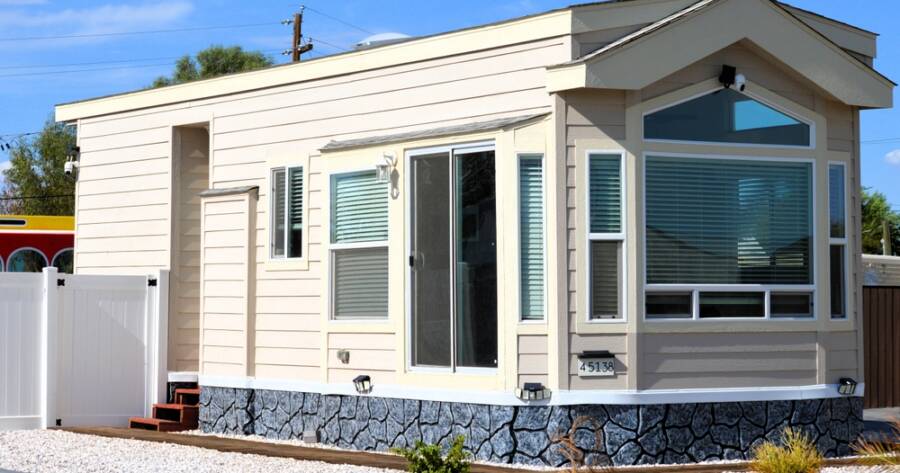
Granny pods, or accessory dwelling units, offer a modern solution for aging adults seeking independence while staying close to family. Many customizable, prefabricated units provide essential amenities and safety features, making them a practical alternative to traditional senior care. Understand the benefits, design options, and legal considerations that make granny pods an appealing choice for modern families.
Understanding Granny Pods: A Modern Solution for Aging in Place
Granny pods, also known as accessory dwelling units (ADUs), are small, self-contained living spaces designed to accommodate aging adults while keeping them close to family. These units offer a unique blend of independence and proximity to caregivers, making them an increasingly popular choice for families looking to provide safe and comfortable living arrangements for their elderly relatives (source).
Typically ranging from 440 square feet, granny pods include essential amenities such as a kitchenette, bedroom, and bathroom, and can be customized with safety features like slip-resistant floors and wide doorways (source).
The Benefits of Prefabricated Granny Pods
Prefabricated granny pods offer several advantages over traditional construction methods. These units are built off-site in a controlled environment, which reduces project timelines and costs while minimizing unforeseen issues. Once completed, they are delivered to the final location, ready for installation (source).
Companies like PMHI provide prefab kits with panelized wall plans and roof truss layouts, ensuring a streamlined building process. These kits are designed with aging adults in mind, featuring accessible designs and automated features to accommodate their needs as they grow older (source).
Customization and Design Options
Granny pods can be tailored to meet specific lifestyle needs and site constraints. Companies like Backyard Grannys offer a range of architecturally designed flats that can be customized with various finishes and façade options. This allows clients to personalize their granny flats to match their aesthetic preferences and functional requirements (source).
Additionally, these units can be designed to serve multiple purposes, such as guest accommodation, rental spaces, or even home offices, providing flexibility and added value to the property (source).
Legal and Financial Considerations
Before installing a granny pod, it’s essential to navigate the legal landscape, including obtaining necessary building approvals and adhering to local zoning laws. These regulations can vary significantly by county, so consulting local permitting offices is crucial to ensure compliance (source).
Financially, granny pods can be a cost-effective alternative to assisted living facilities, with costs ranging from $100,000 to $250,000 (source). This investment can be more economical in the long run compared to the projected median cost of assisted living, which is expected to reach $5,190 per month by 2025 (source).
Why You Should Learn More About Granny Pods
Granny pods represent a modern solution for families seeking to provide safe, independent living arrangements for their aging relatives. With the rising costs of senior care and the desire to keep loved ones close, these units offer a practical and economical alternative.
By understanding the benefits, customization options, and legal considerations, families can make informed decisions about incorporating a granny pod into their property. As the demand for these units continues to grow, exploring the possibilities of granny pods can lead to a more comfortable and connected living experience for both seniors and their families.