

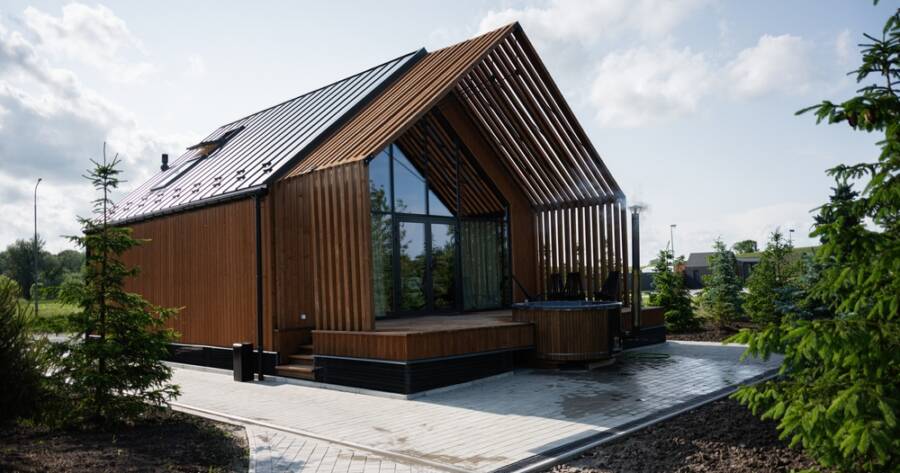
Wooden houses are experiencing a renaissance in modern construction, blending traditional charm with contemporary innovation. The resurgence is driven by advancements in fire safety, energy efficiency, and design versatility, making wood a preferred choice for sustainable and customizable homes. It’s important to understand the ecological benefits, diverse construction methods, and debunked myths that position wooden houses as a compelling option for today’s homeowners.
The Rise of Wooden Houses in Modern Construction
Wooden houses have seen a resurgence in popularity, evolving from traditional structures to modern, fashionable homes (source). This shift is largely due to advancements in construction technologies that enhance the fire safety, energy efficiency, and insulation capabilities of wood as a building material. Wood is increasingly recognized for its versatility and efficiency, making it suitable for a wide range of building types, from single-family homes to multi-storey buildings (source).
Benefits of Building with Wood
One of the primary benefits of wooden houses is their ecological advantage. Wood is a renewable resource that contributes to a good living environment. It offers excellent energy efficiency, which can lead to lower heating costs and eligibility for favorable loans for energy-efficient construction, depending on local regulations (source). Additionally, wood’s natural properties provide warmth in winter and coolness in summer, making it a comfortable and sustainable choice for homes (source).
Design Versatility and Customization
The versatility of wood allows for a variety of architectural designs, from traditional to modern styles. This flexibility enables homeowners to incorporate elements like panoramic windows and dynamic structures that enhance the aesthetic appeal of their homes (source). Wooden houses can also be customized to meet individual preferences, with options for different room configurations, materials, and additional features like saunas and terraces, ensuring a unique and personalized living experience (source).
Construction Methods and Efficiency
Wood construction methods vary, including timber frame, solid wood, timber panel, wood skeleton, and hybrid constructions. Each method offers unique advantages and applications, providing builders with multiple options (source). Prefabrication is another option that can reduce costs and simplify the building process while maintaining quality and stability. Moreover, wooden construction offers significant time savings, with construction times up to 30% shorter than traditional methods using brick or concrete (source).
Debunking Myths About Wooden Houses
Common myths about wooden houses, such as high fire risk and lack of durability, have been debunked. Modern timber construction is designed to be fire-resistant, durable, and cost-effective, providing excellent sound insulation (source). These advancements have contributed to the growing acceptance and popularity of wooden houses as a viable and attractive option for modern living.
Why You Should Learn More About Wooden Houses Today
Wooden houses offer a blend of tradition and modernity, providing a sustainable, energy-efficient, and customizable living space. With their ecological benefits, design versatility, and efficient construction methods, wooden houses are an excellent choice for those looking to build a home that is both functional and aesthetically pleasing. As the demand for sustainable building materials continues to grow, understanding the advantages of wooden houses can help homeowners make informed decisions about their future living spaces.