

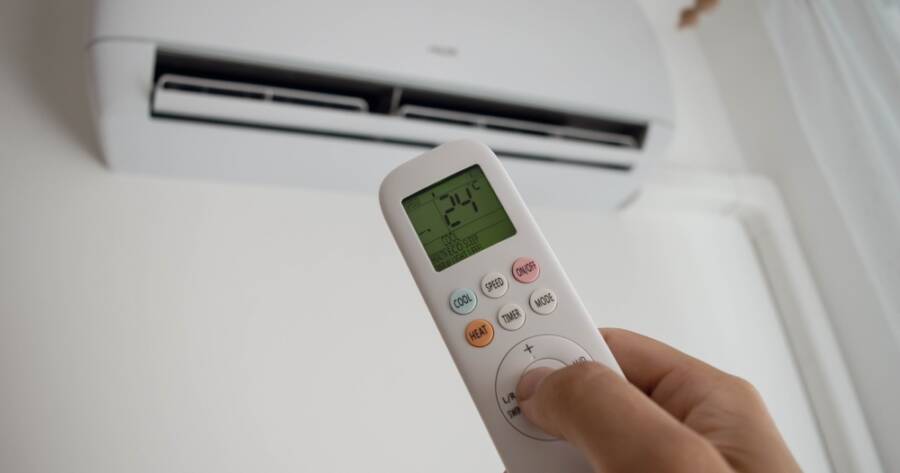
Ductless air conditioning systems, or mini-splits, present a modern solution for efficient home climate control without traditional ductwork. Modern systems offer energy savings, flexible installation, and precise temperature management, making them ideal for diverse spaces. Understand how to choose, install, and maintain top systems while considering cost and performance for optimal home comfort.
Understanding Ductless AC Systems
Ductless air conditioning systems, also known as mini-split systems, offer a versatile and efficient solution for heating and cooling homes without the need for traditional ductwork. These systems consist of an outdoor unit connected to one or more indoor units via a refrigerant line, allowing for precise temperature control in individual rooms or zones (source).
This setup is particularly beneficial for homes without existing ductwork, such as older homes or spaces like sunrooms and garages, where installing ductwork would be impractical (source).
Benefits of Ductless AC Systems
One of the primary advantages of ductless AC systems is their energy efficiency. By eliminating the need for ductwork, these systems reduce energy loss, which can account for up to 40% of energy consumption in traditional ducted systems (source).
Additionally, ductless systems offer flexible installation options and can be used as both primary HVAC systems and supplements to existing systems, providing targeted climate control and energy savings (source).
Choosing the Right Ductless AC System
When selecting a ductless AC system, it’s important to consider the specific needs of the space. Factors such as the size of the area, the number of zones required, and whether the system will be used for both heating and cooling should be taken into account.
Proper sizing of the system is crucial for optimal performance and long-term reliability (source). Brands like Fujitsu, Mitsubishi, LG, and Mirage offer a range of options with varying capacities and energy efficiency ratings, allowing consumers to choose a system that best fits their needs (source).
Installation and Maintenance
Proper installation by a qualified HVAC professional is essential to ensure the efficiency and longevity of ductless AC systems. Regular maintenance, such as cleaning air filters and checking system operations, is also important to maintain optimal performance (source). Many ductless systems come with advanced features like smart-home integration and wireless remotes, enhancing user convenience and energy efficiency (source).
Cost Considerations
While ductless AC systems can be more expensive upfront compared to traditional systems, they offer long-term savings through reduced energy consumption and lower utility bills. Financial incentives such as rebates and tax credits may also be available to help offset the initial costs (source).
The Pioneer Diamante series, for example, offers a range of ductless mini-split air conditioners with varying BTU capacities and SEER2 ratings, providing cost-effective cooling solutions without compromising on quality or efficiency (source).
Why You Should Learn More About Ductless AC Systems
Exploring ductless AC systems can provide homeowners with a modern, efficient, and flexible solution for their heating and cooling needs. With the ability to offer precise temperature control, energy savings, and ease of installation, ductless systems are an attractive option for both new constructions and retrofitting older homes.
Understanding the various options and features available can help consumers make informed decisions that enhance comfort and efficiency in their living spaces.